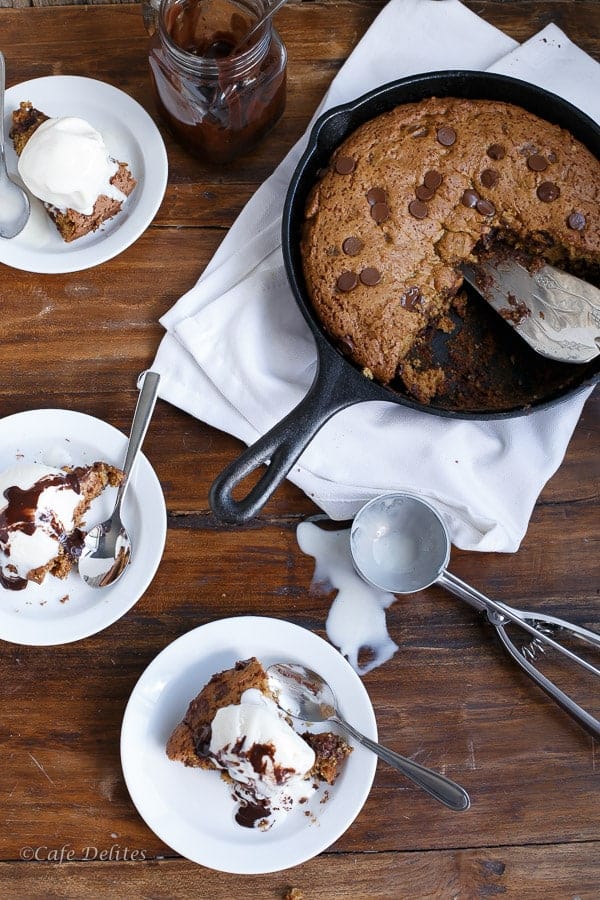
Get Fudgy & Crisp: Your Guide to a Lighter Skillet Cookie
Imagine the ultimate comfort dessert: a warm, deeply satisfying cookie, baked to perfection in a skillet. It's gooey in the center, irresistibly crisp around the edges, and brimming with the beloved combination of rich peanut butter and melty chocolate chips. Traditionally, such an indulgence might come with a side of guilt, but what if you could have all that decadent flavor and texture in a lighter package? We're here to tell you it's not just a dream. This guide will show you how to craft a truly phenomenal
peanut butter choc chip deep dish skillet cookie low fat enough to enjoy without compromise, delivering that sought-after fudgy and crispy experience every single time.
The Allure of the Skillet Cookie: Fudgy Perfection, Crispy Edges
There’s something uniquely magical about a skillet cookie. Perhaps it's the rustic presentation, served warm directly from the pan, inviting everyone to dig in with spoons. More likely, it's the unparalleled textural contrast that a cast iron skillet so expertly delivers. You get those glorious, golden-brown edges that offer a satisfying crunch, giving way to a warm, soft, and utterly gooey center. This duality is the hallmark of a great skillet cookie, and it's what makes every bite an experience. When you add the intense, nutty flavor of peanut butter and generous pockets of melted chocolate, you've got a dessert that's hard to resist – truly "fudgy to the extreme," as enthusiasts often describe it.
But for many, the richness of a traditional deep-dish cookie can be a barrier. The challenge then becomes: how do we achieve this beloved texture and flavor profile without the heaviness? How can we create a
lighter skillet cookie that still feels utterly indulgent? The good news is that with a few smart adjustments, you absolutely can enjoy this comforting treat with a more balanced approach, making it perfect for sharing on any occasion or simply indulging a craving without the usual caloric burden.
Unlocking Indulgence: The Secret to a Lighter Peanut Butter Skillet Cookie
The secret to a fantastic
peanut butter choc chip deep dish skillet cookie low fat isn't about sacrificing flavor; it's about making clever choices that enhance the natural deliciousness of the ingredients while subtly reducing the fat content. This version is designed to provide all the indulgence you expect from a classic skillet cookie, but in a way that feels lighter, cozier, and perfectly balanced. The genius lies in thoughtful ingredient swaps and a baking method that maximizes textural appeal. For more detailed insights into guilt-free indulgence, explore our guide on
Indulge Guilt-Free: Lighter Peanut Butter Skillet Cookie.
Smart Swaps for a Skillet Cookie That Sings (Without the Guilt)
Achieving that rich, fudgy texture and classic flavor in a lighter skillet cookie involves a few key ingredient transformations. These aren't just random substitutions; they're carefully selected to maintain the integrity of the cookie's structure and taste profile.
*
Light Butter: While traditional recipes often call for generous amounts of full-fat butter, opting for a high-quality light butter can significantly reduce the overall fat content without compromising flavor or the cookie’s essential structure. Softened light butter still provides the necessary emulsification and richness, ensuring your cookie has that comforting, tender crumb. It acts as a foundational ingredient, contributing to the delicate balance between chewiness and melt-in-your-mouth goodness.
*
Powdered Peanut Butter: This is a game-changer for reducing fat while amplifying peanut butter flavor. Powdered peanut butter delivers an intense, pure peanut taste without the added oils often found in traditional creamy peanut butter. When reconstituted or mixed directly into the dough, it helps the cookie stay beautifully fudgy rather than becoming greasy. If you prefer a slightly richer result, creamy peanut butter can still be used, but be mindful of the increased fat content; it's a trade-off. However, for a truly *low fat* version, powdered peanut butter is your ally.
*
Applesauce: A brilliant natural fat replacer, a small amount of unsweetened applesauce seamlessly replaces some of the fat in the recipe. Crucially, it adds a wonderful moisture and tenderness to the dough without imparting any discernible apple flavor to the finished cookie. This ensures your skillet cookie remains moist and soft, preventing it from drying out, which can be a common pitfall in lower-fat baking.
*
Chocolate Chips: While chocolate chips aren't a "lighter" swap themselves, the *type* you choose can impact the overall profile. Using dark or semi-sweet chocolate chips (instead of milk chocolate) helps balance the sweetness of the cookie dough and contributes a deeper, more complex chocolate flavor. These chips melt into luscious pockets as the cookie bakes, providing those irresistible bursts of chocolate that are essential to any great peanut butter chocolate chip cookie. Quality matters here – choose a brand with good melting properties for the best results.
These thoughtful adjustments are what truly set this recipe apart, allowing it to deliver all the bold peanut butter flavor and pools of melted chocolate you crave, but without the heaviness that often accompanies traditional skillet cookies. Dive deeper into the specific ingredient transformations in our dedicated article,
Smart Swaps: How to Make a Lighter Peanut Butter Skillet Cookie.
Achieving the Perfect Texture: Fudgy Center, Crispy Edges Every Time
Creating a
peanut butter choc chip deep dish skillet cookie low fat doesn't mean compromising on the glorious textural contrast that makes skillet cookies so desirable. In fact, this recipe is designed precisely for that contrast: a wonderfully gooey center and perfectly crisp, golden edges. The key lies not just in the ingredients but also in the baking technique and, of course, the trusty cast iron skillet itself.
The cast iron skillet is more than just a baking vessel; it's an active participant in achieving this dual texture. Its superior heat retention and even distribution ensure that the edges of the cookie dough in direct contact with the hot metal cook faster and crisp up beautifully, while the insulated center bakes more slowly, remaining soft and delightfully fudgy.
Here are some practical tips to ensure you hit that textural sweet spot:
*
Preheat Your Oven (and Skillet, If Desired): Always preheat your oven thoroughly. Some recipes even suggest preheating the empty skillet in the oven for a few minutes before adding the dough. This initial burst of heat can accelerate the crisping of the edges, though it's not always strictly necessary.
*
Doneness Cues Are Key: Resist the urge to overbake! A perfectly baked skillet cookie will have edges that are set, golden brown, and slightly firm to the touch. The center, however, should still look slightly soft and even a little jiggly when gently shaken. This is crucial for achieving that signature gooeyness after it cools slightly. Remember, the cookie will continue to cook slightly from residual heat once removed from the oven.
*
The Importance of Cooling: As tempting as it is to dig in immediately, allowing the skillet cookie to cool for 5-10 minutes is essential. This brief cooling period allows the center to set further, transitioning from raw dough to that perfectly fudgy, irresistible consistency. It also makes it easier to scoop or slice.
*
Serve Warm: While the cooling period is important, skillet cookies are undeniably best served warm. Pair a generous scoop with a dollop of light vanilla ice cream or a drizzle of sugar-free chocolate sauce for an even more indulgent (yet still mindful) experience.
Beyond the Basic Skillet: Customizing Your Lighter Treat
While the classic peanut butter chocolate chip combination is heavenly, don't be afraid to experiment and customize your lighter skillet cookie to suit your preferences.
*
Topping Twists: A sprinkle of flaky sea salt over the warm cookie enhances both the chocolate and peanut butter flavors beautifully. Consider a dollop of whipped coconut cream for a dairy-free option, or a handful of fresh berries (like raspberries or sliced strawberries) added after baking for a refreshing contrast.
*
Flavor Boosters: A pinch of cinnamon, a touch of espresso powder, or even a tiny splash of vanilla extract can deepen the cookie's flavor profile. You could also experiment with adding different types of nuts (like chopped peanuts or walnuts) for extra crunch and texture.
*
Dietary Adaptations: For those avoiding gluten, simply swap out all-purpose flour for a good quality 1:1 gluten-free baking blend. For a dairy-free version, ensure your light butter is plant-based and use dairy-free chocolate chips. These modifications make this delightful dessert accessible to even more people.
Conclusion
Who says you can't have your cookie and eat it too? This comprehensive guide demonstrates that an incredibly indulgent, deeply satisfying
peanut butter choc chip deep dish skillet cookie low fat is not only achievable but truly delicious. By embracing smart ingredient swaps like light butter, powdered peanut butter, and applesauce, and understanding the nuances of baking in a skillet, you can create a dessert that boasts both fudgy centers and crispy edges without the heaviness. It's the perfect balance of indulgence and mindful eating, proving that "lighter" doesn't mean less flavor or less fun. So go ahead, preheat your oven, grab your skillet, and treat yourself and your loved ones to this delightful, guilt-free masterpiece. Your taste buds (and your conscience) will thank you!